


Western Australia’s resources boom rolls on, with mineral and petroleum sales reaching a record-high $223 billion in 2024, backed by $32 billion of new investment and nearly $50 billion of projects in the pipeline.
However, every one of those operations will eventually move from extraction to closure. It might be years away, but operators need to plan for safe, compliant mine site demolition from the outset. Whether it’s winding down a deep underground gold asset or a vast open-pit iron ore complex, demolition is a decisive phase for environmental stewardship, asset recovery and community legacy.
Yet no two mine decommissioning projects are alike. Expert mine site demolition consulting services help operators navigate the unique conditions, safety risks and regulatory hurdles that can make or break a project.
Distinct Challenges in Underground and Open-Pit Mine Demolition
Any mine site demolition project is inherently complex. And there are many challenges common to both open-pit and underground mining across safety, environmental stewardship, planning and community engagement. Not to mention compliance with Department of Energy, Mines, Industry Regulation and Safety (DMIRS) and Environmental Protection Agency (EPA) regulations and guidelines.
However, once you dig into the differences between open-pit and underground mine demolition, the need for tailored solutions becomes abundantly clear.
Underground Mine Demolition: Complexities Beneath the Surface
- Structural instability: Ageing drives, shafts and pillars can ravel or collapse without engineered ground-control plans. These plans must comply with DMIRS ground control management guidelines.
- Ventilation and gas management: Methane, diesel particulates and radon must be diluted or exhausted under the WHS (Mines) Regulations 2022, protecting crews during cut-and-fill or drill-and-blast removal.
- Water ingress and contamination: Many WA underground mines intersect aquifers. Dewatering licences and acid-mine-drainage controls must be in place before backfilling or crown-pillar blasting begins.
Open-Pit Mine Demolition: Managing Surface Rehabilitation at Scale
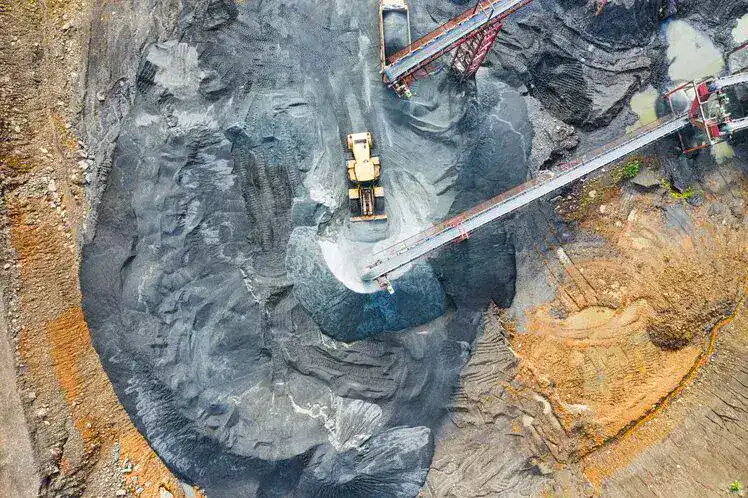
- Massive excavations: Haul roads, ROM pads, tailings dams, crushers, overland conveyors stretching across kilometres of disturbed land – the scale of excavation and potential land damage demands heavy lift planning and strict safety controls.
- Slope stability future pit lakes: DMIRS mine-closure guidance now requires risk-based assessment of long-term wall performance and water quality in residual voids.
- Dust, noise and air quality limits: EPA guidelines call for real-time monitoring and suppression strategies to stay within licence conditions and minimise pollution.
Why Mine Demolition Consulting Services are Essential for Safe, Compliant, and Cost-Effective Closures
Navigating Western Australia’s Regulatory Mine Closure Framework
Starting from late 2025, projects nearing the end of their economic life will be winding down under significantly different conditions than the operator may have planned for.
For example, the new Mining Development and Closure Proposals (MDCPs) are set to streamline approvals and reduce duplication by removing the need for closure proposals at the approval stage. However, the MDCPs also raise the bar on risk disclosure, progressive rehabilitation and stakeholder engagement.
Aboriginal cultural heritage legislation, strengthened in 2023, also requires early, respectful consultation and demonstrable cultural protection.
Understanding how these compliance requirements impact your project can be challenging. C.D. Dodd’s mine closure consultants remove the complexity, working with your team to clarify what’s required, compile the documentation, and implement compliant mine demolition processes together with proactive community consultation.
Maximising Value Through Resource Recovery
Hidden inside dismantled structures and defunct mobile plant is a revenue stream. Much of the ‘scrap’ metal from decommissioned mines can be recycled with no quality loss, contributing to a greener and more cost-effective demolition project.
As the leader in commercial scrap metal recycling in Western Australia, C.D. Dodd has solutions and systems to reclaim valuable materials. Our recycling capabilities include:
- Ferrous, copper and aluminium for domestic reuse or export.
- Identifying usable equipment that can be resold into secondary markets.
- Vehicle battery recycling and e-waste disposal.
All these activities could help to offset your demolition costs by turning scrap into revenue.
Safety-First Culture and Risk Mitigation
Our ISO 45001-compliant risk management system is underpinned by rigorous risk assessments, permit-to-work controls, and emergency response plans for explosives, hazardous materials and remote-area logistics.
The result – over 50 years of operations with an impeccable safety record in mine site demolition – gives you confidence that demolition will finish without incident.
Improving Sustainability Outcomes in Demolition Projects
Mine Rehabilitation and Land Repurposing
Closing a mine should mark the beginning of something new, not a scar on the landscape. For underground operations, we backfill voids to stabilise the ground while restoring natural contours. Over time, the land can be used for livestock, native plants or walking trails.
Open pit mines, meanwhile, can become freshwater reservoirs for pastoralists, solar-panel terraces feeding the grid, or conservation havens that return Country to thriving bushland.
From day one, we work with Traditional Owners, local shires and environment agencies so every repurposed hectare supports community aspirations and biodiversity goals.
Hazardous Material and Contaminant Management
Demolition often uncovers asbestos in structures and gaskets, hydrocarbons in the soil, or tailings with a potentially toxic legacy.
Our hazardous material handling procedures de-risk the process. We have systems and equipment to isolate, encapsulate, and send contaminated matter to licensed WA facilities with full chain-of-custody documentation. Tailings and contaminated soils are treated or transferred under DMIRS and EPA approvals, ensuring your rehabilitation plans aren’t haunted by hidden liabilities.
Low-Emission Innovations
Mining operators must be committed to sustainability initiatives beyond the economic life of the project. Rehabilitation and recycling are important here, but we can’t overlook the carbon footprint of demolition activity.
In July 2024, C.D. Dodd took delivery of WA’s first Volvo FM Electric heavy-duty truck, slashing site CO₂ and diesel particulate emissions during energy-intensive decommissioning activities. Combined with battery-electric material handlers and optimised haul planning, we help clients hit corporate Scope 1 and 2 targets until the last loads leave site.
Partner with C.D. Dodd for Expert, Safe, and Sustainable Mine Site Demolition in Western Australia
Whether the challenge is a kilometre below the surface or spread across the Pilbara, expert demolition consulting services are the difference between compliant closure and costly overruns. With C.D. Dodd’s demolition consulting services, every part of your mine closure is compliant, cost-effective, and environmentally responsible.
- Integrated ISO-certified systems: Safety (45001), Quality (9001), and Environment (14001) deliver turnkey certainty.
- State-wide reach: Our mobile processing plants tackle underground, remote Pilbara or offshore projects with confidence.
- End-to-end delivery: From drafting closure plans through demolition, recycling, rehabilitation and final sign-off, one contract reduces risk and administrative load.
Get in touch with C.D. Dodd to de-risk your closure project and unlock the hidden value in decommissioned structures.