

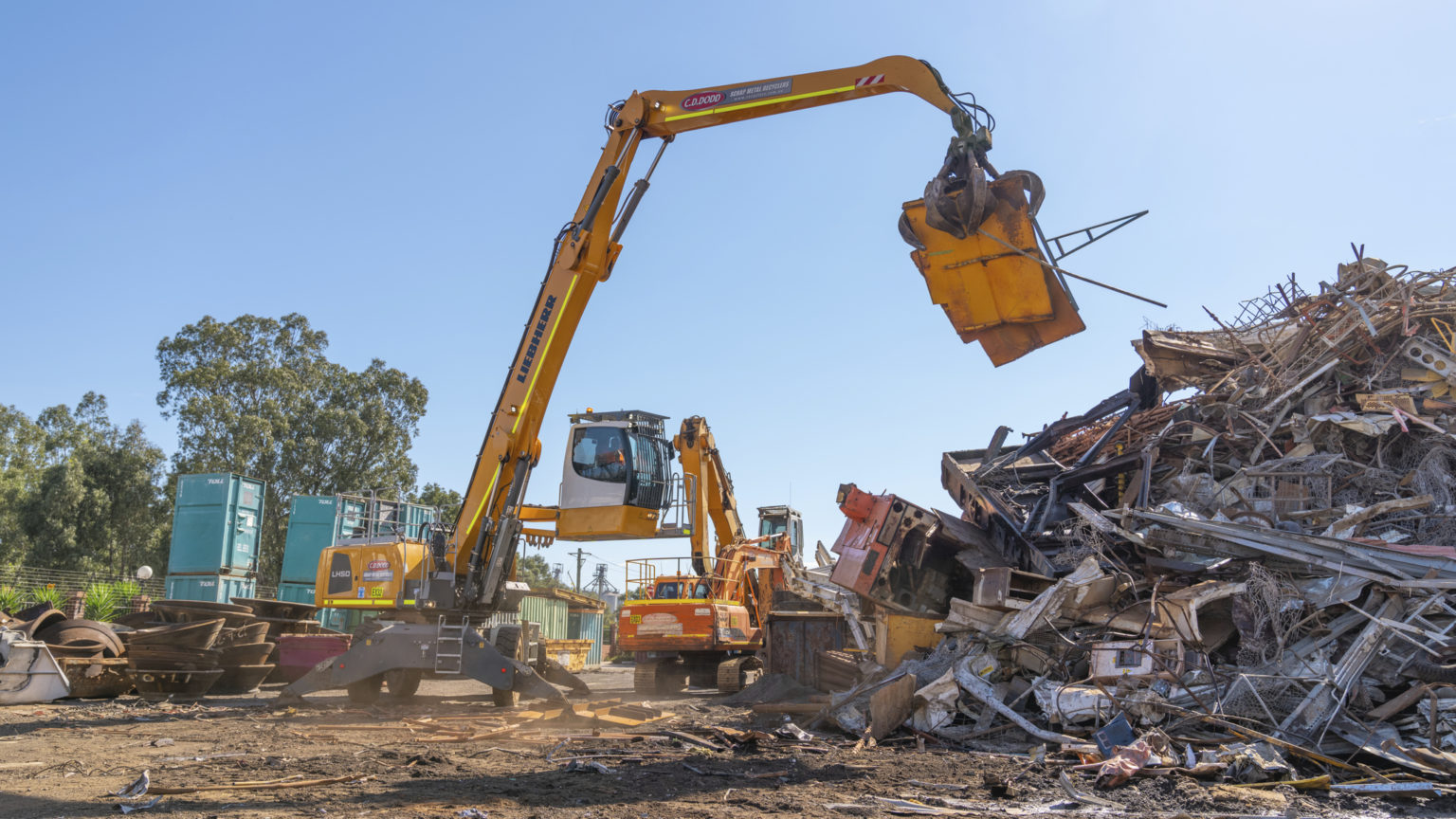

Many Western Australian businesses treat scrap metal as an operational by-product. It’s something to clear away so work can continue.
But in today’s metal-reliant market, that mindset leaves money on the table. Taking a structured approach to scrap metal recycling also helps to reduce operational risks, improve site safety, and strengthen ESG performance.
With strong demand for high-quality metals, maximising commercial scrap metal value has become both a commercial opportunity and a sustainability imperative.
Why Scrap Metal Recycling Matters in WA
Western Australia doesn’t just produce the materials needed to make metal. Our state economy also depends on a steady supply of metal.
From copper wiring and aluminium components to structural steel, industrial batteries, and reinforced rebar, metal supports almost every commercial operation in the state.
As demand rises – particularly for copper, aluminium, steel, and battery metals – scrap metal is becoming a valuable commodity. Global pricing plays a role in Perth scrap metal prices. But local demand, especially in the mining, construction, and infrastructure sectors, is driving a consistent market for quality scrap.
This creates genuine opportunities for businesses generating regular scrap metal waste:
- Unlock revenue from waste material
- Divert scrap metal from landfills
- Reduce carbon emissions by preventing scrap exports
- Support circular economy projects
- Outsource scrap metal collection and disposal logistics
- Improve compliance (especially in mining, construction, and industrial sectors)
- Lower demand for virgin mining and refining
Maximising commercial scrap metal value isn’t about chasing spot prices. It’s about improving systems and working with experienced commercial scrap metal recyclers.
Understanding Commercial Scrap Metal
Companies that take recycling seriously often find that small improvements in metal sorting and storage translate into measurable financial returns. Those changes start with understanding what you’re dealing with, as not all scrap metal is created equal.
Ferrous vs Non-Ferrous Metals
Scrap metal is divided into two main categories.
Ferrous metals contain iron. They mainly include steel, cast iron, and wrought iron, as well as worn industrial components. They’re typically lower value per tonne but produced in high volumes across construction, mining, and heavy industry.
Non-ferrous metals include copper (electrical wiring), aluminium (frames, vehicles), brass (fittings), and stainless steel (processing equipment). They don’t contain iron, but they do generally command higher prices due to demand and recyclability.
What Affects Scrap Metal Value in WA?
Metal Market Prices
Global commodity markets and local market movements both affect scrap metal pricing. International demand and supply chain disruptions impact global “spot” pricing, while activity in WA’s mining, construction, and manufacturing sectors will influence local demand.
Contamination Matters
Contaminated scrap metal is harder to process. Scrap metal recyclers may offer a lower price for metal contaminated by paint, plastics, rubber, oils or dirt.
If it’s possible and safe to do so, cleaning contaminants and sorting scrap before scheduling a collection will help to secure a higher price.
Volume and Collection Frequency
Higher volumes often result in better prices. Regular, scheduled collections also allow businesses to maintain cleaner work sites and reduce handling.
For large-scale operations, dedicated scrap metal bins and frequent pickups make a meaningful difference to both cash flow and scrap collection efficiency.
Transport and Logistics
WA’s geography matters. Regional transport, site access, and bin placement all affect handling costs – and therefore pricing.
Businesses wanting to organise scrap metal collection in regional areas like Kalgoorlie or the Pilbara need a recycler with statewide coverage and efficient logistics, including collection routes that minimise additional handling costs.
How Perth Businesses Can Maximise Scrap Metal Value
1. Sort Scrap by Metal Type
Separating copper, aluminium, stainless steel, brass, and batteries is one of the fastest ways to increase returns. Something as simple as clearly labelled bins will reduce cross-contamination and make recycling easier for on-site staff.
2. Remove Contaminants Early
Stripping plastic, rubber, insulation, oil residue, and non-metal attachments before collection prevents downgrading. Clean scrap moves faster and is worth more.
3. Store Scrap Metal Properly
Covered, dry storage reduces rust and contamination. Secure bin placement also reduces theft, which is unfortunately a risk for high-value metals like copper and aluminium.
Work with a commercial scrap metal recycler who provides bins tailored to your operation. This reduces your work and ensures materials are stored correctly from the start, ready for easy collection.
4. Track and Measure Outputs
Keeping basic scrap logs helps businesses forecast volumes, improve budgeting, and identify waste reduction opportunities. Many of our regular clients are surprised by how much recyclable material they generate once they start measuring it.
Accurate records also support ESG reporting by demonstrating environmental stewardship.
The Benefits of Working With a Professional Recycler
Collection and Bin Solutions
Professional recyclers supply bins tailored to different materials and industries. This also helps with scheduling timely collections. If the scrap metal recycler has confidence about the volume, location, and type of material being collected, logistics tend to flow more smoothly.
On-Site Weighing and Transparent Pricing
Accurate weighing is critical for fair pricing. Reputable recyclers use certified weighing systems and provide real-time pricing aligned with current market rates.
This transparency builds trust. It ensures businesses are paid correctly and there are no disputes after the material is taken away.
Advanced Processing Means Higher Payouts
Modern processing equipment, such as industrial shears, shredders, magnets, and separation systems, improves metal purity. Higher-quality output means stronger downstream pricing.
This often translates to better returns for businesses. Before inking an agreement with a scrap metal recycler, investigate whether their facilities are designed to extract the maximum value.
Why Choose C.D. Dodd as Your Commercial Scrap Metal Partner
C.D. Dodd has been Western Australia’s leading scrap metal recycler for over 50 years. Our impeccable safety record, statewide coverage, and industry-leading solutions make us the dependable choice for commercial operations across Perth and regional WA.
We specialise in turnkey solutions for businesses of all sizes. Whether you’re managing a small workshop or a large-scale mine site, we provide end-to-end services:
- Bin supply
- Sorting advice
- Collection
- Transport
- Processing
- Reporting
We also have specialised commercial and industrial solutions for hazardous materials collection and mine site demolition. These capabilities are backed by robust systems and global safety and environmental certifications, including ISO 9001, ISO 14001, and ISO 45001.
Above all, we understand that no two scrap metal collections are the same. When you work with C.D. Dodd, you’re not just selling scrap metal. You’re partnering with a team committed to maximising commercial scrap metal value and supporting environmental responsibility.
Contact C.D. Dodd for a tailored commercial scrap metal collection and recycling solution across Perth and regional WA.